
A fundraising round runs in five steps: prepare the file, meet the funds whose ticket fits, negotiate a letter of intent, go through due diligence, then sign the agreement and the notarial deed. No legal timeframe. In practice, several months, and it is the letter of intent that decides how much of the company you keep.
How does a fundraising round work for an SME?
The round always follows the same order, whether the fund is a provincial invest, Wallonie Entreprendre (the Walloon Region's public financing arm) or a private fund. What changes is the number of players around the table.
- Prepare. Business plan, need broken down item by item, last three years of accounts up to date, cap table. The detail of the file is in the article on preparing a funding round.
- Meet. Target five to ten investors whose stage, area and published ticket match your need. Not fifty.
- Negotiate. Valuation, amount, the fund's rights, exclusivity: everything is set in the letter of intent and then the term sheet.
- Audit. Due diligence checks that the company matches what you presented: accounts, contracts, disputes, tax, employment.
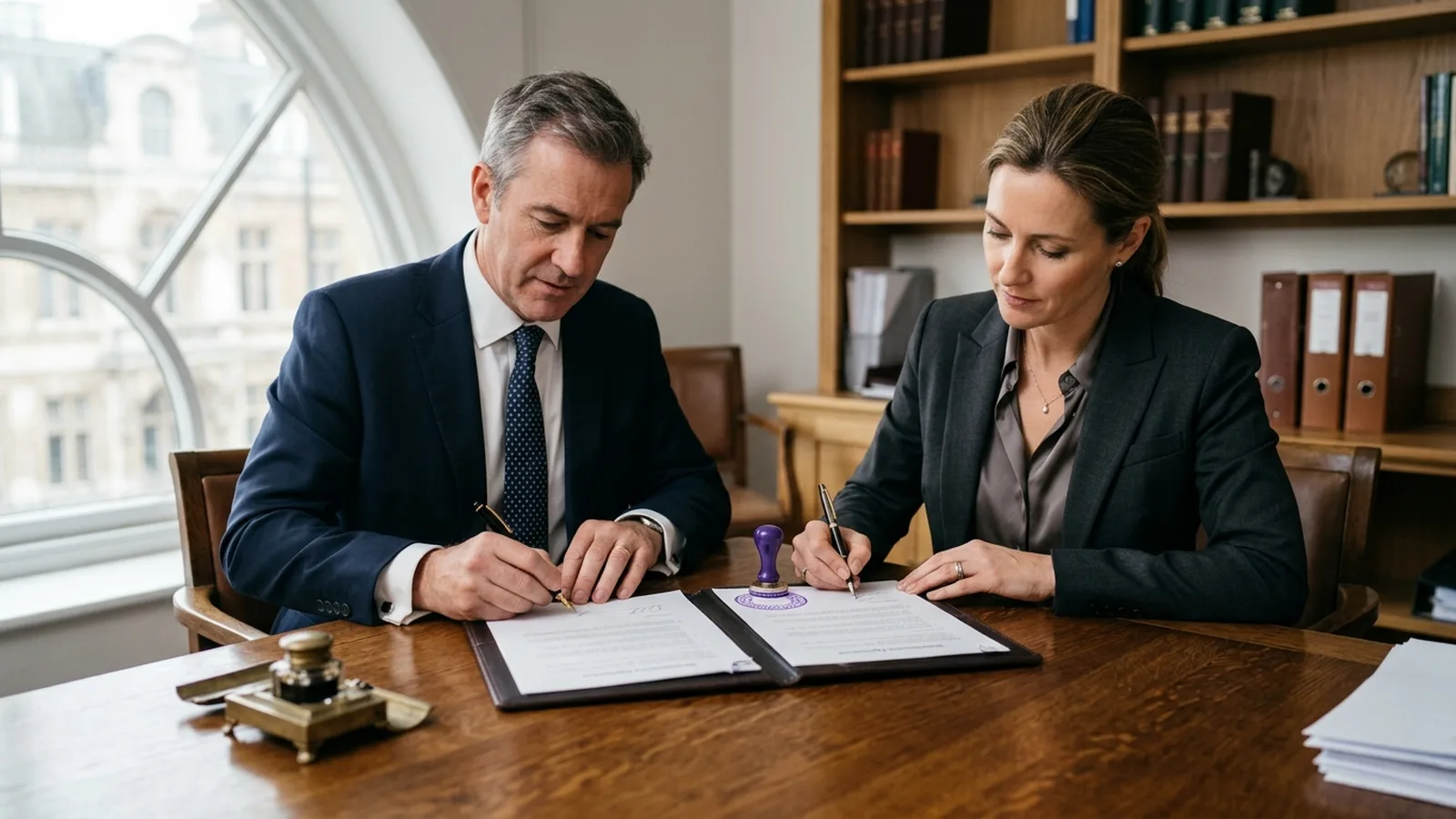
- Sign. Shareholders' agreement, general meeting, notarial deed, transfer of funds.
Owners underestimate step 3. The pre-money valuation grabs the headlines. The rest of the letter (ratchet, drag along, reserved matters) decides what you will be able to do for the next five to ten years.
The steps, their documents and what slows them down
| Step | Documents | Who is involved | What slows it down |
|---|---|---|---|
| 1. Prepare | 2-page summary or 10- to 15-page deck, 3- to 5-year financial plan, cap table | Owner, accountant | Late accounts, need not quantified |
| 2. Meet | Summary, then detailed business plan | Invests, private funds, bank | Fund outside its ticket or area |
| 3. Negotiate | Letter of intent, term sheet | Owner, corporate lawyer | Several co-investors without a joint term sheet |
| 4. Audit | Data room: articles, key contracts, leases, disputes, employment and tax position | Fund's advisers | Documents sent in dribs and drabs |
| 5. Sign | Shareholders' agreement, board report, notarial deed | Notary, lawyers, shareholders | Late disagreement on an exit clause |
I found no published duration per step from the funds consulted on 15.10.2026. So I am not going to make one up. What I have seen, first from the business lending desk of a bank in Namur and then from an owner's office, is that steps 4 and 5 almost always overrun. A data room organised from day one saves weeks.
How long does a round take?
Several months, with no official figure. The Belgian Code of Companies and Associations sets no deadline, and the Walloon and Brussels funds consulted publish none.
Three factors weigh on the timetable:
- the number of co-investors, each with its own investment committee;
- the state of the legal paperwork (articles, share register, agreements with managers);
- the exclusivity granted in the letter of intent, which freezes talks with other funds for its duration.
An edge case I saw: a file stuck at the deed stage because the intellectual property of a key piece of software was in the founder's name, not the company's. Nothing serious in substance. But a formal assignment was needed, and the signing slipped.
Who should you contact first?
It depends on where you are based and how much you need. Whether the player is public or private matters far less.
In Wallonia, your province's invest is often the best first call. It knows the bank, the other local funders and Wallonie Entreprendre, and can put together a joint round. Namur Invest generally invests from €100,000 to €2.5M. Noshaq, in Liège, publishes no range but reports €120M of investments decided per year on average over five years.
For an established SME looking for €500,000 to €2.5M, a private fund active across the region comes into play. ORSA publishes that ticket, for industrial SMEs with 20 to 150 employees (criteria published by ORSA). Wallonie Entreprendre becomes a direct contact when a bank guarantee is needed or the file is too big for a local invest (Wallonie Entreprendre).
| Headquarters | First public contact | Published ceiling | Private funds |
|---|---|---|---|
| Wallonia | Province's invest, Wallonie Entreprendre | Up to €2.5M at Namur Invest and Invest.BW; WE not published | ORSA (€500,000 to €2.5M), others by area |
| Brussels | finance&invest.brussels | Up to €5M for SMEs, as co-investment | Funds covering the region, Theodorus at seed stage |
| Flanders | PMV (Participatiemaatschappij Vlaanderen) | Not surveyed for this guide | Outside this site's scope |
The ranking of funds for SMEs compares these players on ticket, instrument and area. To work out whether an invest or a private fund suits your file better, read public invest vs private fund.
What does the Code of Companies require at signing?
A fund's entry goes through the issue of new shares. The Code of Companies and Associations sets out three formalities:
- an amendment of the articles, voted by the general meeting with a three-quarters majority of votes cast (art. 5:100 for the SRL, art. 7:153 for the SA) and recorded by notarial deed;
- a report from the board justifying the issue price and describing the consequences for shareholders (art. 5:121 and 7:179), which the meeting can waive unanimously, except for a contribution in kind;
- a preferential subscription right for existing shareholders on shares issued for cash (art. 5:128 and 7:188), which the meeting can limit or remove in the company's interest to reserve the issue for the fund.
Notaries and lawyers handle these formalities routinely. What is really negotiated is the issue price, and so the valuation, plus the rights attached to the fund's shares.
Comparator
Compare investment funds side by side.
Compare now →
Frequently asked questions

From 2009 to 2017, Cédric spent eight years in the corporate lending department of a Belgian bank in Namur, on the side that turns files down and writes the covenants. He then became financial controller at an industrial SME in Hainaut just as a provincial invest took a stake in its capital. Based in Gembloux, he rereads the terms published by Walloon and Brussels funds and invests every month.